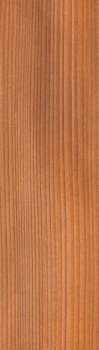
 Sequoia Sempervirens is a
light weight
and
straight grained
wood with a natural
red-brown tone
(except for a band of white sapwood just under the thick bark).
Sequoia Sempervirens is a
light weight
and
straight grained
wood with a natural
red-brown tone
(except for a band of white sapwood just under the thick bark).
 Redwood is
soft, brittle, non-resinous
and contains a high enough concentration of tannic acid to naturally inhibit
most insects. Because of this characteristic Redwood is primarily used in the
construction industry as the exterior layer for wooden buildings [
siding
and
shingles
] as well as for
decks, fences
and
outdoor furniture
. Interior uses are limited to the decorative because the soft wood will
compress upon the lightest impact.
Redwood is
soft, brittle, non-resinous
and contains a high enough concentration of tannic acid to naturally inhibit
most insects. Because of this characteristic Redwood is primarily used in the
construction industry as the exterior layer for wooden buildings [
siding
and
shingles
] as well as for
decks, fences
and
outdoor furniture
. Interior uses are limited to the decorative because the soft wood will
compress upon the lightest impact.
|
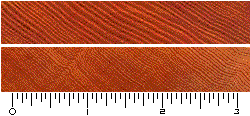 The difference between
old
growth and
new
growth is
visible in the size of the grain
. which records yearly growth. The distance between the
annual rings
is consistently small in ancient slow growing trees from a densely wooded
area and produces a tight grain. Newer trees growing quickly in more open land
produce a much wider grain similar to pines and firs. Redwood is so
soft and brittle
that it never curls off my lathe but always crumbles into a coarse sawdust
(which is excellent for mulching parts of the garden).
The difference between
old
growth and
new
growth is
visible in the size of the grain
. which records yearly growth. The distance between the
annual rings
is consistently small in ancient slow growing trees from a densely wooded
area and produces a tight grain. Newer trees growing quickly in more open land
produce a much wider grain similar to pines and firs. Redwood is so
soft and brittle
that it never curls off my lathe but always crumbles into a coarse sawdust
(which is excellent for mulching parts of the garden).
|

This is a configuration of grain occurs primarily at the base of older trees. The grain swirls, curls, zigzags and contains the bird's-eyes that sprout into new trees. Only Coastal Redwood trees reproduce by sprouting from roots and stumps (in addition to seeds).
Burl is difficult to harvest, massive, bulky and full of rocks. The best burls
are manufactured into
veneers
. The burl that remains for sale locally is often slabbed horizontally,
emphasizing the irregular edge of the tree's circumference.
|
this page is not finished
i intend to post pictures
of redwood burl and birdseye