|
|
|
|
|
|
|
 |
 |
 |
|
|||
 |
|
|||||
 |
 |
 |
|
|||
 |
|
|||||
 |
|
|||||
 |
|
|||||
 |
|
|||||
 |
|
|||||
 |
|
|||||
 |
|
|||||
 |
|
|||||
 |
|
|||||
 |
|
|||||
 |
|
|||||
 |
|
|||||
 |
|
|||||
 |
|
|||||
|
||||||
 |
|
|||||
 |
 |
|
||||
 |
 |
 |
|
|||
 |
 |
 |
|
|||
 |
|
|||||
 |
 |
 |
|
|||
 |
|
|||||
 |
|
|||||
 |
|
|||||
 |
|
|||||
 |
|
|||||
 |
|
|||||
|
||||||
 |
|
|||||
|
||||||
 |
|
|||||
 |
 |
 |
|
|||
 |
|
|||||
 |
|
|||||
 |
|
|||||
 |
|
|||||
 |
|
|||||
 |
|
|||||
 |
|
|||||
 |
|
|||||

 Less than half the weight
of an original Shubb capo.
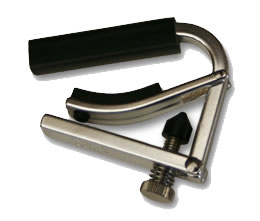
The Shubb Lite is made of aluminum.
It weighs less than one ounce.
Is a Lightweight capo for you? Maybe. Some people associate a certain amount of heft with quality, while many others feel that a capo should be as light as possible.
Neither opinion is right or wrong; it's a matter of choice. If a lighter weight capo is to your liking, and that of your instrument, then the Shubb Lite is definitely the capo for you!
...plus the traditional silver-aluminum color, of course.
Shown here: model 1,
for steel string guitar.
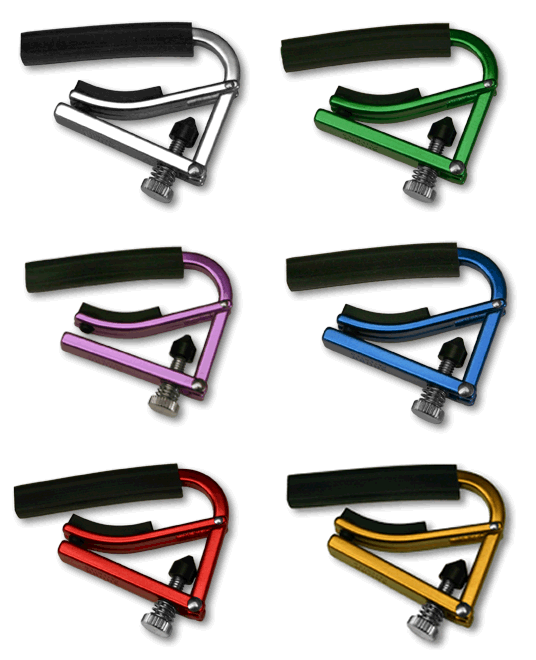
NEW! model L9
Lite capo for Ukulele!


$26.95 |
||
 |
for steel string guitar. Fits most acoustics and electrics |
|
 |
for classical guitar. 2.25" wide, flat fretboard. |
|
 |
for 12-string guitar, or any steel string guitar with a wide fretboard. |
|
 |
for 7.25" radius fretboard. Fits some (not most) vintage electrics. |
|
 |
for banjo, mandolin, bouzouki. |
|
 |
for ukulele. |
|
* Very few banjos or ukuleles have radiused fretboards. If you're not sure, then yours is probably flat.
|
||
|
||
Frequently asked questions:
• Will some of the other models, like Deluxe or partial capos, be available in the new colors?
The finishing process that produces these colors is called anodizing, and it can only be applied to aluminum. Deluxe will always be stainless steel, and have its own look. But partials... well, let's wait and see. Is there sufficient demand for a Lite partial capo? Let me know. The manufacturing process for the partial is different, so the demand would have to be pretty persuasive.
• Will the Lite capo give my instrument a better sound than a heavier one?
It might. Instruments vary so much in their setup, and so does everyone's idea of better sound. You'd just have to try one yourself and be the judge. It will depend on your own instrument, and your own ear.
• Will there be more colors?
Probably not. Making one in a new color is not quite as simple as we'd like it to be; each model/color requires its own sku number, packaging, barcode, etc. and additionally complicates ordering and stocking for dealers. And it requires a production run of at least 1,000 capos in any given color. So if your favorite color is not available ask around to see if 999 of your friends would like one, too. Then let us know.
• Will the Lite capo ever be available with the roller, like the Deluxe?
Maybe some day, but it is not currently in the works. It is something we've considered, but we'll have to assess the damand. Like many possible product requests that begin with "why can't you just...", there is more to it than meets the eye.
• Why are Shubb Capos the best for not creating tuning problems?
Intonation is the feature that really distinguishes Shubb capos from all others. They are designed to close onto the neck just like your hand, and to press the string just like your fingertip, and they are totally adjustable.
Learn more...
• How many different models and styles do Shubb Capos come in, and what are the differences?
The "model" refers to what neck shape the capo fits (1, 2, 3 etc.), and the "style" refers to its finish, material, color, etc. (deluxe, Lite, Capo Noir, etc.).
Here is a chart showing all the models and styles.
• What is the correct way to apply the capo, from the top (bass side) or bottom (treble side)?
Either is correct. Users seem to be about equally divided, even among the top players.
Read more about applying the capo...
• Will the curve of the capo match the radius of my fretboard?
Yes, it will. Although there is some variation in fretboard radii, the curve of the Shubb capo is a good fit for all of them.
How can we be so sure? Learn more...
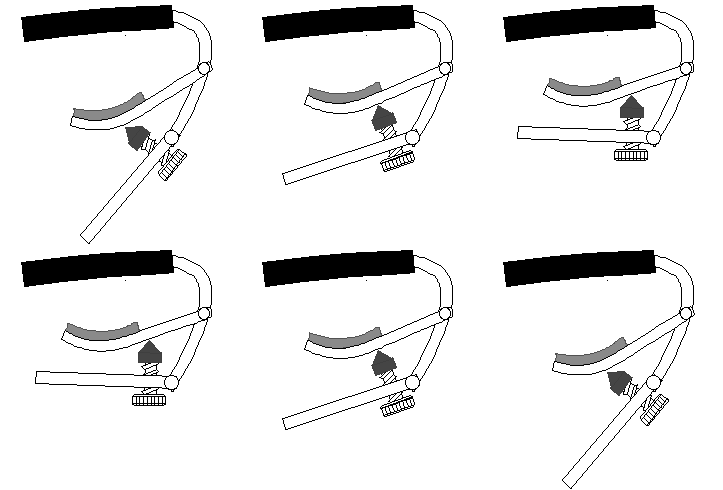
For one thing, its ingenious design: its patented over-center locking action provides an unrivalled combination of power, speed, accuracy and ease of use. One smooth flip of the lever locks it securely in place, and removes it just as quickly.
And the Shubb capo is BY FAR the best at not creating tuning problems. Its soft, resilient rubber is specially designed to work just like a fingertip, so it doesn't bend the strings over the frets. Its closing action is just like your hand, so it doesn't pull the string off center. As a result, no re-tuning is necessary!
Precisely machined and carefully hand assembled, a Shubb capo is manufactured without compromise. Simply holding one in your hand conveys a sense of quality. Snapping it solidly onto a guitar neck in about one second, and then playing without having to retune will confirm its reputation for excellence.